

Hoof Abscess Treatment in Cattle: What It Is, How to Spot It, and How to Treat It
A hoof abscess is one of the most common causes of sudden, severe lameness in cattle. One day a cow is walking normally, and the next she is struggling to bear weight on a foot. It can be alarming to witness, but quick hoof abscess treatment makes a real difference to how quickly an animal recovers. This guide covers everything you need to know, from what a hoof abscess is and what causes it, to the best steps for treating and preventing it effectively.
What Is a Cow Hoof Abscess?
A hoof abscess in cattle develops when bacteria get trapped inside the hoof capsule, typically between the sensitive laminae and the hoof wall, or within the white line area. Once bacteria are present, the body sends white blood cells to fight the infection. This creates a pocket of pus that builds up under pressure with nowhere to escape. That pressure is what causes the intense pain and sudden lameness you see in affected cattle.
The abscess will eventually try to break out, either through the white line at the sole or upward through the coronary band. Without treatment, this process can take days or longer, causing a great deal of unnecessary suffering for the animal. The faster you act, the better the outcome.
What Causes a Hoof Abscess in Cattle?
Understanding what causes a hoof abscess is an important part of reducing how often it occurs across your herd. The most common cause is bacteria entering through small cracks, a damaged white line, or a puncture wound. Several factors raise the risk in cattle:
Wet and dirty housing. Cattle standing in slurry, wet straw, or poorly drained cubicles for long periods softens the hoof horn and weakens the white line. This creates easy entry points for bacteria to get in.
Hard or uneven concrete. Rough, worn, or poorly maintained flooring increases the risk of sole bruising, which can develop into an abscess if left unaddressed.
Irregular hoof trimming. When cow hoof trimming is not carried out on a regular schedule, hooves grow unevenly, placing extra stress on the white line and sole. This imbalance speeds up wear in the wrong areas and makes the hoof far more vulnerable to infection.
Seasonal ground changes. Moving cattle from soft, wet ground to hard, dry conditions causes the hoof capsule to shift shape and can open up cracks where bacteria enter.
Foreign objects. Stones, wire, or debris in yards or passageways can puncture the sole directly and introduce infection deep into the hoof capsule.

Signs of a Hoof Abscess to Watch Out For
Catching the signs of a hoof abscess early makes a real difference to recovery time. The most obvious sign is sudden, severe lameness, often appearing overnight or within a very short period. The affected animal may be completely unwilling to bear weight on the foot. Other signs to look out for include noticeable heat in the hoof wall or sole, swelling around the coronary band or lower leg, sensitivity when the hoof is examined or pressed, and discharge of pus if the abscess has already burst on its own.
If you are not confident in your assessment, contact your vet or a professional hoof trimmer. A trained professional can examine the foot properly, locate the source of the pain, and confirm the diagnosis before any hoof abscess treatment begins.
Hoof Abscess Treatment: Step by Step
The best treatment for hoof abscess in cattle involves locating the infection, creating a small drainage point to release the built-up pus, and then keeping the area clean and protected while it heals. Here is the process:
Step 1: Restrain the animal safely. Before any examination or treatment can take place, the cow needs to be safely restrained in a cattle crush or trimming chute. This protects both the animal and the person treating it, and gives you the control needed to work properly.
Step 2: Call your vet or hoof trimmer. Do not attempt to open an abscess without the proper skills or guidance. A vet or professional hoof trimmer will use hoof testers or careful paring to locate the most sensitive area, then open the site to allow the pus to drain. Relieving the pressure is the priority. Once drainage occurs, pain typically reduces very quickly.
Step 3: Poultice the hoof. After drainage, the area is packed with a poultice to draw out any remaining infection and keep the site moist while it begins to heal. This is then wrapped securely with a hoof bandage and changed every 24 to 48 hours. Hoofshop stocks a range of quality bandages and wraps well suited to this stage of cattle hoof abscess treatment.
Step 4: Keep the hoof clean and dry. During recovery, keep the animal in a clean, dry area as much as possible. Wet, dirty conditions will slow healing and raise the risk of re-infection taking hold before the site has properly closed.
Step 5: Apply a hoof block if needed. If the affected claw is bearing too much weight during recovery, a wooden or rubber hoof block applied to the healthy claw can relieve pressure on the treated area and help speed up healing. This is a common and effective part of cattle hoof care.
Step 6: Monitor progress closely. Most cattle show clear improvement within 24 to 48 hours of drainage. If lameness continues or worsens, contact your vet. In some cases, antibiotics or further investigation may be needed to resolve the infection fully.
Hoof Abscess Care: What Happens After Treatment
Good hoof abscess care does not stop once the pus has drained. The opening left behind needs time to close properly, and the surrounding tissue needs to heal fully before normal loading resumes. Continue poulticing for several days until discharge stops completely. Once the area is dry, an antiseptic spray or topical hoof treatment helps lower the risk of secondary infection developing in the exposed tissue.
Keep the animal on clean, dry bedding and check the foot daily during recovery. Any contamination at this stage can slow progress and set healing back significantly. Once the hoof is well on the way to recovery, arrange for a professional trimmer to reassess the hoof balance, particularly if irregular cow hoof trimming or poor hoof structure played a role in the original problem.
The Role of Cow Hoof Trimming in Prevention
The most reliable way to reduce recurring abscesses is consistent, routine cow hoof trimming. Cattle hooves should be trimmed at least twice a year, and more often in herds with a history of lameness or hoof problems. Regular trimming keeps the hoof balanced, prevents the white line from becoming overstressed, and gives you a regular opportunity to spot early signs of damage before they develop into something more serious. Hoofshop stocks a full range of hoof trimming knives to keep your kit well equipped for routine cattle work.
Good housing and yard management matters just as much. Cattle standing in wet, dirty conditions for long periods are far more likely to develop hoof problems. Well-maintained concrete with regular scraping, dry cubicle bedding, and clean passageways all contribute to better hoof health across the herd. AHDB provides practical guidance on lameness prevention and cow mobility scoring, which is a useful reference for farmers and hoof care professionals working to improve herd welfare.
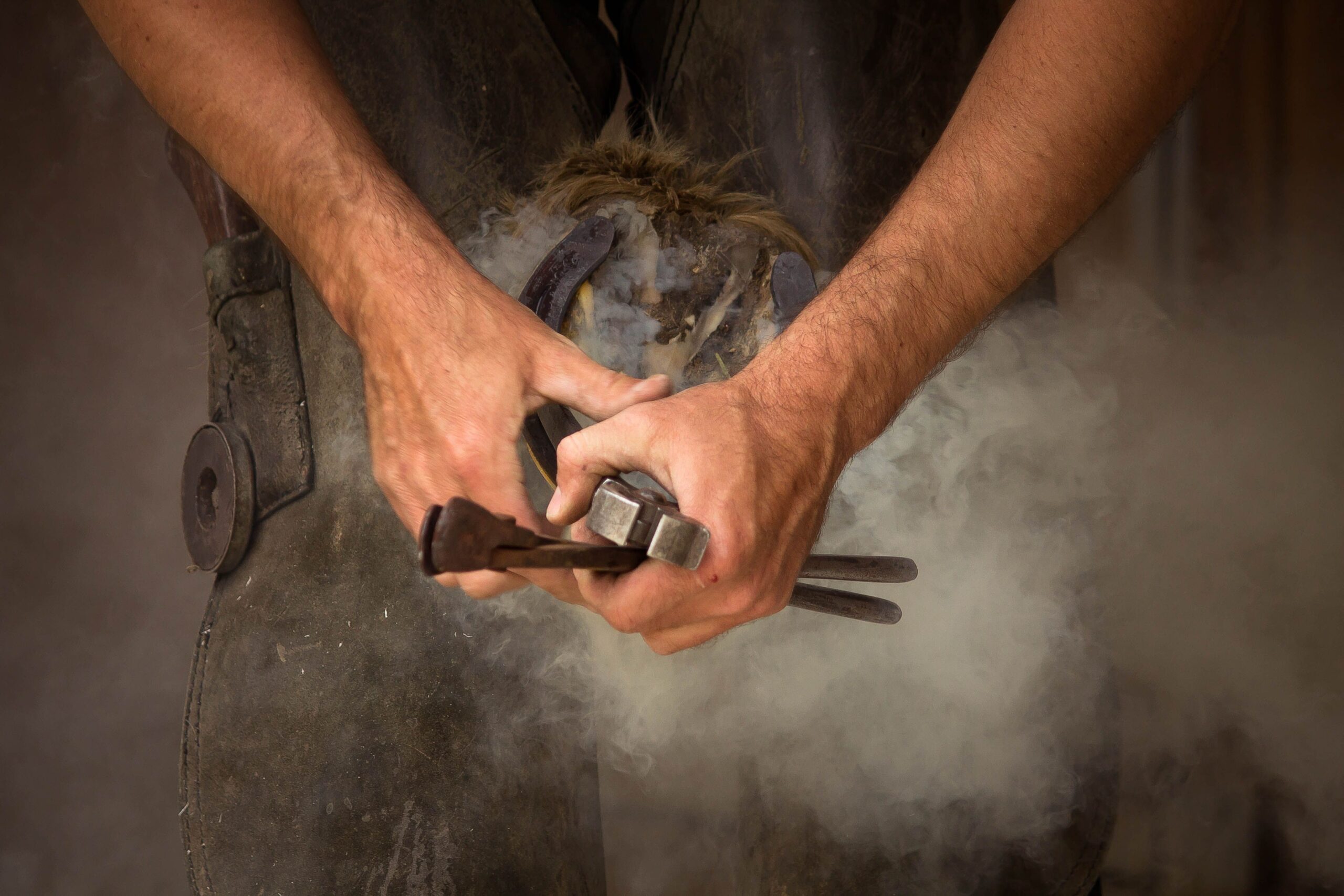
Having the Right Equipment Matters
For farmers, hoof trimmers, and animal health professionals, using the right equipment makes hoof abscess treatment and routine cattle hoof care safer and more effective. At Hoofshop, we have been supplying professional-grade hoof care products since 2017, serving customers across the UK, Ireland, Europe, and beyond. Our background in agriculture means we understand what working with cattle hooves really involves day to day, and we stock the tools and treatments to match.
Final Thoughts
A hoof abscess in cattle is painful, but it is also very treatable when handled promptly and correctly. Acting fast, working with your vet or professional hoof trimmer, and following a thorough aftercare routine will get most animals back on their feet within a matter of days. Pairing proper hoof abscess treatment with consistent cow hoof trimming and good housing management remains the most reliable way to reduce the chances of abscesses returning. If you need supplies or advice, get in touch with the Hoofshop team and we will be happy to help.