
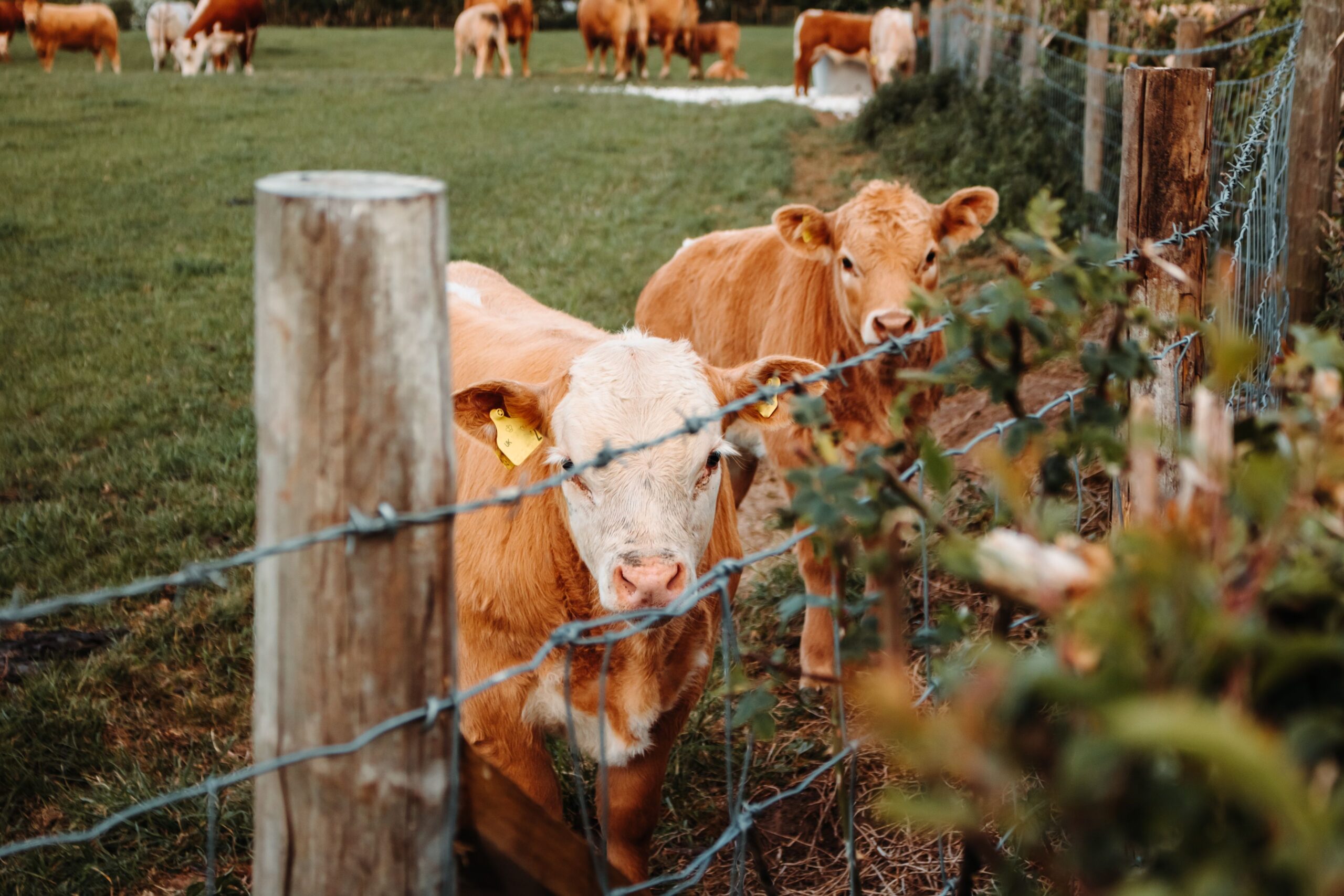
Hoof Bandage Guide: How to Bandage a Cow’s Hoof Correctly
When a cow picks up a hoof injury or lesion, a well-applied hoof bandage protects the wound, keeps out muck and grit, and gives the foot a clean environment to heal. Get the technique wrong and you risk slipping bandages, restricted blood flow, or skin that softens and breaks down. This guide walks through how to bandage a hoof properly, what aftercare matters, and which hoof care products for cattle make the job easier.
At Hoofshop, we have supplied cattle hoofcare essentials to trimmers, farmers, and animal health professionals since 2017. Here is how we approach bandaging.
When does a cow need a hoof bandage?
Cattle pick up sole ulcers, digital dermatitis, and general wounds during normal life on farm. A bandage holds dressing in place over the affected area, stops manure and stones from working into the wound, and keeps the site dry while the foot recovers.
A bandage is a short-term measure. It is not a substitute for proper trimming or veterinary advice on serious lesions. If you are unsure what you are looking at, speak to your vet or hoof trimmer before treating.
What you need before you start
Gather your kit before you lift the foot. Stopping halfway to hunt for supplies leaves a part-dressed hoof exposed.
You will want warm water and soap, a hoof knife for trimming dead horn, cotton wool or a thick gauze pad, a self-adhesive veterinary wrap, and duct tape for wet or muddy conditions. Our bandages range covers the wraps you need, including the Flexiwrap and the Hooftite Safe Wrap, both built to grip and stay put on a working animal.
How to bandage a hoof, step by step
Take your time with each stage. A rushed hoof bandage is the one that slips off in the collecting yard.
Step 1: Restrain the foot
Secure the foot in a crush or trimming chute first. A safe, still foot lowers the risk of injury to you and the cow, and lets you work with both hands.
Step 2: Clean and examine
Wash the hoof with warm water and soap until you can see the horn clearly. Trim away any dead horn or loose flaps, find the wound, and check how far the lesion spreads. Record the date, the cow’s number, which foot is affected, and the type of lesion so you can track healing. Apply the treatment your vet has prescribed.
Step 3: Add padding
Place a generous amount of cotton wool or a thick, soft gauze pad directly over the wound. If the lesion sits between the claws, position the pad so the top portion covers it fully. The padding absorbs fluid and shields the area from manure and grit.
Step 4: Apply the base wrap
Start wrapping from the middle of the pastern, above the claw, and work down to the toe, then back up. Aim to sit the bandage roughly halfway on the skin and halfway on the hoof. That overlap stops the wrap from sliding off as the cow moves. Keep the pad held in place under the wrap as you go.
Step 5: Check the tension
The bandage should feel snug, with room to slide two fingers beneath the wrap. Pull it too tight and you cut off blood flow and damage the tissue you are trying to heal. Loose enough to breathe, firm enough to stay on.
Step 6: Secure and waterproof
Finish with a durable, self-adhesive veterinary wrap to lock all the layers together. In muddy or wet conditions, add a layer of duct tape across the bottom for extra grip and protection. Press the wrap onto itself so the free end holds.
Aftercare: the part people skip
A bandage does its job for a day or two, then it works against you. The technique only pays off if you manage what happens next.
Remove or change it promptly
Hoof bandages trap moisture. Remove or replace the wrap within 24 to 48 hours. Leave it on longer and the skin softens, which opens the door to fresh problems on a foot that was meant to be recovering. Set a reminder so the bandage does not get forgotten on a busy day.
Consider a claw block
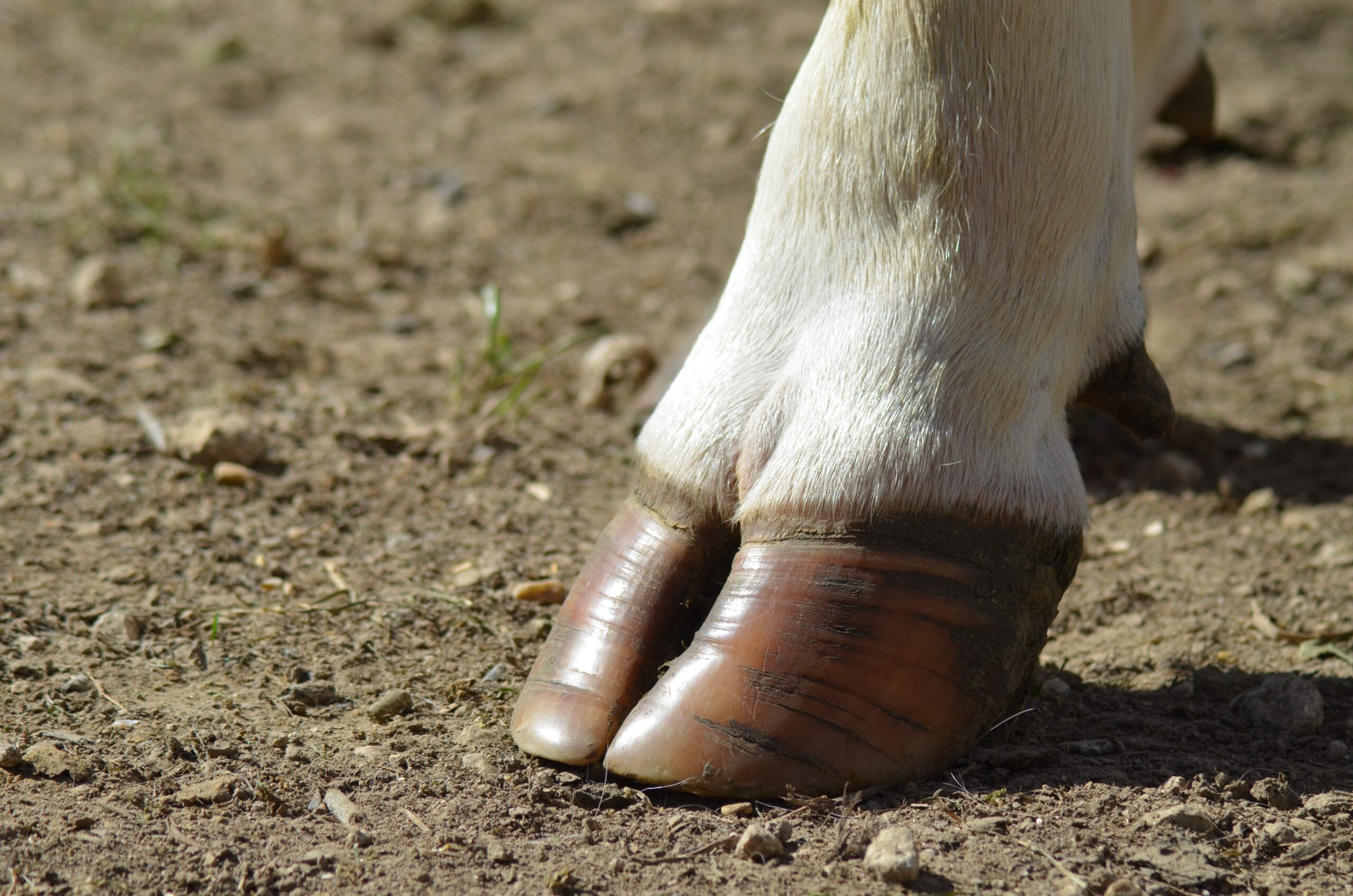
A cow carries her weight across two claws on each foot. If one claw has a severe sole ulcer or injury, gluing a claw block to the healthy claw lifts the injured one clear of the ground. That shift moves the cow’s weight off the wound and speeds up healing. Our hoof blocks range covers the options for raising a sore claw while the foot mends.
Choosing hoof care products for cattle
The right kit makes bandaging quicker and the result more reliable. A wrap that grips itself saves you fighting with tape, and a block that bonds fast gets the cow back to the herd sooner.
We supply a wide range of hoof trimming products for cattle, with fast delivery across the UK, Ireland, Europe, and worldwide. Our background in agriculture means we know the pressures of a busy farm, so we focus on reliable products, quick turnaround, and a personal service. If you cannot find what you need on the Hoofshop website, get in touch and we will do our best to source it.
Common bandaging mistakes to avoid
A few errors turn up again and again. Watching for them keeps your work clean.
Wrapping too tight tops the list, because it starves the tissue of blood. Skipping the skin-to-hoof overlap is another, since a bandage that sits only on horn slides straight off. Leaving the wrap on for over 48 hours softens the skin. And starting without your kit to hand leaves the foot exposed while you go looking for gauze.
Get the padding right, set the tension so two fingers fit, and take the bandage off on time. Those three habits cover most of what goes wrong.
Final word
A good hoof bandage buys a cow’s foot time to heal in a clean, protected space. Clean and examine the hoof, pad the wound, wrap with the right tension, waterproof the base, then change the dressing within 24 to 48 hours. Pair it with a claw block when one claw needs the weight taken off, and you give the animal the best shot at a quick recovery.
For wraps, blocks, and the rest of your cattle hoofcare kit, browse the full Hoofshop range or contact our team for advice on the right products for the job.