
Hoof Glue: A Complete Guide to Choosing and Using the Right Adhesive for Cattle
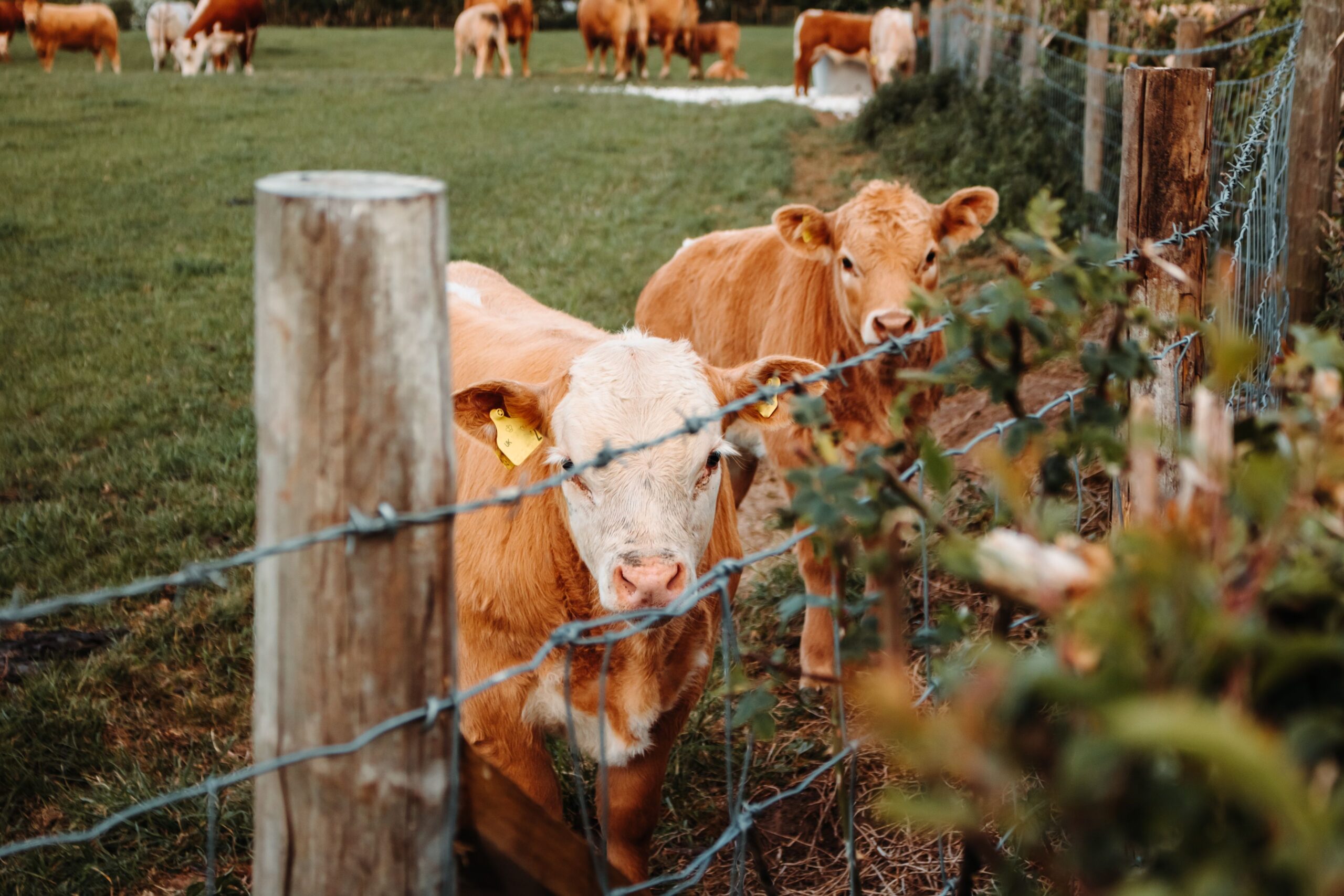
Lameness is one of the biggest challenges facing cattle farmers and hoof trimmers across the UK and Ireland. It costs money, affects animal welfare, and eats into valuable time. One of the most effective ways to tackle it is knowing how to use hoof glue correctly. From attaching hoof blocks to repairing damaged horn, the right adhesive can have a real impact on recovery. At HoofShop, we have been supplying trusted hoofcare products to farmers, hoof trimmers, and animal health professionals since 2017. This guide covers everything you need to know about hoof glue: what it is, the different types available, and how to pick the right one for the job.
What Is Hoof Glue?
Hoof glue is a fast-setting adhesive used in cattle hoofcare to bond materials directly to the hoof. It is most commonly used to attach hoof blocks to the healthy claw, which lifts the damaged claw off the ground and allows it to heal. It can also be used to fill cracks, rebuild damaged horn, and protect exposed tissue during recovery.
Most professional hoof glue products are two-component systems. This means they contain a resin and a hardener that mix together as you apply them. When combined, these two parts create a strong, durable bond. Professional-grade products are designed to set quickly and hold firmly, even in wet or dirty conditions, which is exactly what you need on a working farm.
Why Hoof Glue Matters
Lameness affects up to 30% of dairy cows in UK herds at any one time. Applying a hoof block using a reliable hoof block adhesive is a well-established treatment. The block takes pressure off the affected claw while it heals.
Without a strong, lasting bond, a hoof block will not stay in place long enough to do its job. A good equine adhesive or cattle hoof glue must be strong, fast-setting, and resistant to the mud and slurry that are part of everyday farm life. Cutting corners on adhesive quality often means retreating sooner, wasting both product and time.
Types of Hoof Glue Available
Not all hoof glue products are the same. Here is a breakdown of the main types:
Hoof Block Glue
Hoof block glue is the most widely used type in cattle farming. It is designed specifically to attach wooden or rubber hoof blocks to the sound claw, taking weight off the problem area. A good hoof block glue sets within a few minutes, even in damp barn conditions, and maintains a strong hold for the full treatment period. Look for products with high initial tack and proven long-term bond strength.
Hoof Block Adhesive: Two-Component Systems
Two-component hoof block adhesive products are considered the professional standard by many experienced hoof trimmers. The two components mix automatically inside a special applicator nozzle as you dispense, giving a consistent result every time. These systems are fast to use, easy to apply, and produce a very reliable bond. They are widely favoured by professionals carrying out high volumes of treatments. A quality farrier adhesive system removes the guesswork from mixing ratios and keeps applications consistent across a full day’s work.
Hoof Repair Glue
Hoof repair glue serves a different purpose. Rather than attaching a block, it is used to fill cracks, rebuild missing or damaged horn, and protect sensitive tissue from further damage. Hoof repair glue works alongside correct trimming to support recovery from conditions such as white line disease, toe ulcers, and sole haemorrhage. It restores the structural shape of the claw, giving damaged tissue the covering it needs to heal properly.
Choosing the Right Hoof Glue
Choosing the right hoof glue comes down to understanding the job at hand. Consider the following before you buy:
- What are you treating? Block attachment and crack repair need different products.
- What are the conditions? Cold weather and wet barns can affect setting times and bond strength.
- How do you prefer to apply it? Gun applicators are faster and more consistent for high-volume work.
- How quickly does it need to set? If your cattle are difficult to restrain, faster-setting products are more practical.
- How strong does the bond need to be? Heavy cattle in active, muddy environments put more stress on adhesives.
For block attachment, a two-component hoof block adhesive is usually the most reliable choice. For crack filling or rebuilding damaged horn, a dedicated hoof repair glue gives more targeted results. If you are unsure which product suits your situation, the team at HoofShop is always happy to advise. We understand the pressures of farm work and can help you find the right answer quickly.
How to Get the Best Results
Even the highest-quality hoof glue will underperform if the preparation is wrong. These steps will help you get the most out of every application:
- Clean the hoof thoroughly. Dirt and moisture are the biggest reasons adhesives fail. Dry the surface as much as possible before applying.
- Trim correctly first. A block attached to an improperly trimmed claw will not sit flat, weakening the bond.
- Use the right amount of adhesive. Too little and the bond will be weak. Too much is wasteful and can cause uneven setting.
- Hold the block in place for the full setting time. Most professional products set in two to three minutes. Moving too soon risks bond failure.
- Minimise exposure to slurry and wet surfaces immediately after application. Allow the adhesive to reach full cure strength where possible.
Following these steps consistently will reduce the number of blocks that fail early and improve outcomes for the animals in your care.
What to Look for When Buying Hoof Glue
With so many products available, here is what separates a quality hoof glue from a poor one:
- Fast setting time. A product that sets in under five minutes is far more practical on a busy farm.
- Moisture resistance. Cattle hooves are constantly exposed to slurry and water. Your adhesive must be able to cope.
- Consistent mixing. Two-component systems with a proper applicator give more reliable results than manual mixing.
- Proven in the field. Look for products trusted by professional hoof trimmers and backed by real-world use, not just product descriptions.
At HoofShop, we stock only products that meet these standards. As a family-run business with a background in agriculture, we have hands-on experience with the products we sell. We know what performs and what does not.
Hoof Glue Beyond Cattle
This guide focuses on cattle, but it is worth noting that hoof shoe glue and farrier adhesive products are also widely used in equine hoofcare. Farriers and equine vets use adhesive-based solutions to attach shoes, fill hoof defects, and support recovery. The core requirements are the same: a fast, strong, moisture-resistant bond that can handle the demands of an active animal. The principles of choosing the right hoof glue apply across species, even if the specific products differ.

Why Choose HoofShop?
HoofShop has been a trusted name in cattle hoofcare since 2017. As a family-run business based in rural Northern Ireland, we understand agriculture from the inside. Our product range is carefully selected for quality, fairly priced, and backed by honest, straightforward advice.
We supply hoof trimmers, farmers, and animal health professionals across the UK, Ireland, Europe, and beyond. Fast turnaround times and flexible delivery options are part of how we operate. You can browse our full range of hoofcare products at HoofShop or get in touch directly by phone, email, or message. If you need something you cannot find on the site, let us know and we will do our best to source it for you.
Final Thoughts
Hoof glue is a small but powerful tool in managing lameness and supporting recovery in cattle. The right product, applied correctly, can mean the difference between a hoof block that holds for the full treatment period and one that fails within days. Taking time to understand choosing the right hoof glue for your situation is time well spent.
At HoofShop, we are here to help you get it right every time, with the right products, reliable advice, and a service that puts your needs first.