
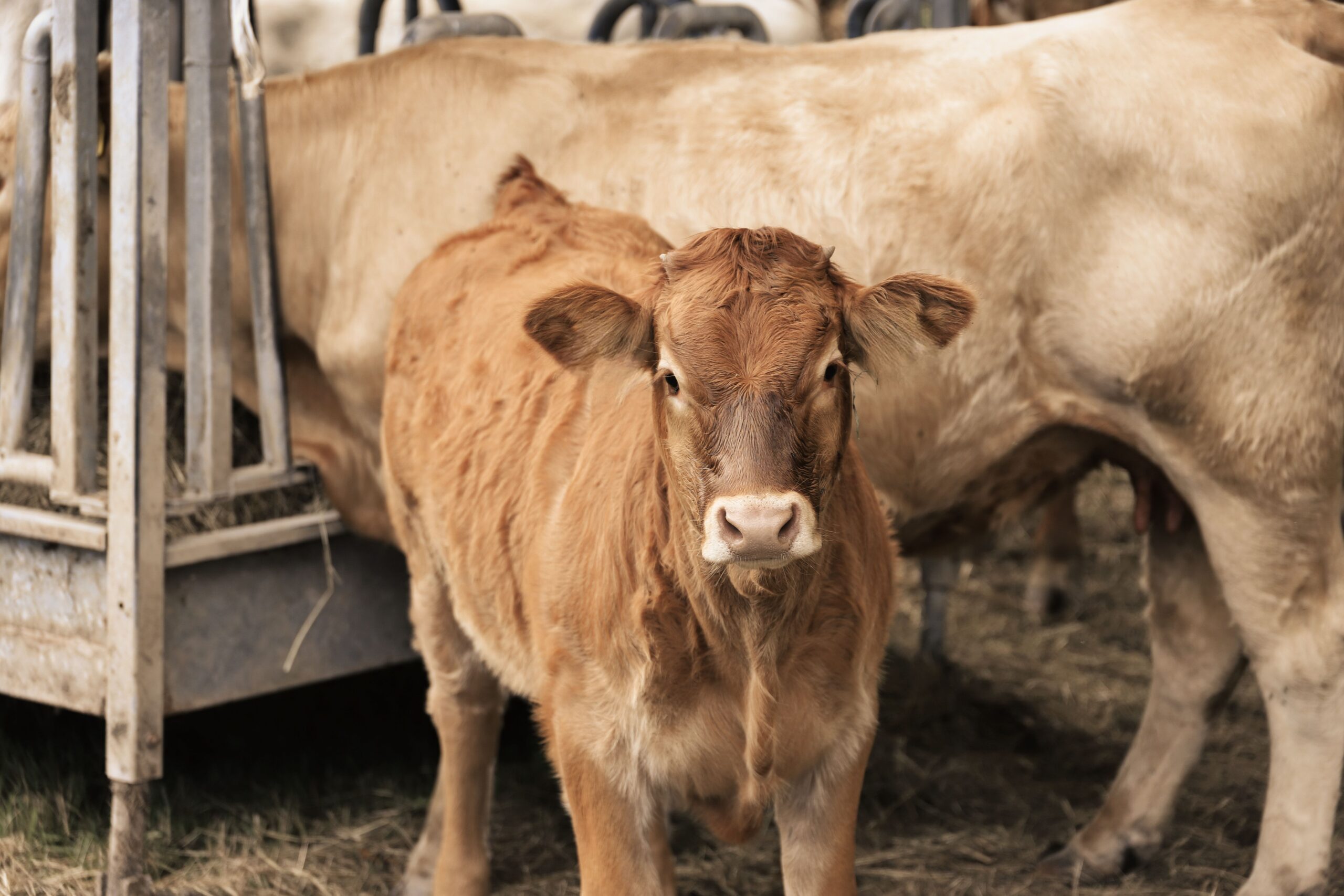
The Complete Guide to the Hoof Trimming Knife: Sharpening, Choosing, and Cow Hoof Care
Keeping cattle healthy starts from the ground up. A cow’s hooves carry enormous weight every single day, and when hoof care slips, lameness follows fast. Lameness is one of the most common and costly problems facing cattle farmers, affecting animal welfare, milk yields, and overall farm productivity. At the heart of effective hoof care is one well-used tool: the hoof trimming knife. For professional hoof trimmers and farmers managing their own herds, knowing how to use, choose, and maintain your knife makes a real difference to the job and to the animals in your care.
At Hoofshop, we have been supplying professional hoof care products since 2017, and we know how much a good, sharp blade matters when you are working out in the field.
Why a Sharp Hoof Trimming Knife Matters for Cattle
A blunt hoof trimming knife creates problems that go well beyond slow progress. When a blade loses its edge, you end up pushing and forcing it rather than guiding it. This reduces precision, increases the effort required, and makes it far harder to achieve the clean, controlled cuts needed through the hoof wall and sole. Rough, torn cuts can leave the hoof more exposed to bacterial infection and cause unnecessary stress to the animal during trimming. If infection does take hold, having the right hoof treatments to hand can make a real difference to recovery time.
A properly sharp hoof trimming knife also makes the job safer. A dull blade is more likely to slip under pressure, raising the risk of injury to both the trimmer and the cow. Sharp blades do the work for you, giving you better control and a cleaner result every time you trim.

Signs Your Hoof Trimming Knife Needs Sharpening
Recognising when your hoof trimming knife has lost its edge is the first step to keeping it in good working order. Here are the most common signs to look out for:
- The blade needs noticeably more pressure to cut through hoof horn
- Cut edges look torn or ragged rather than clean and smooth
- You find yourself sawing back and forth instead of drawing a single clean stroke
- The trimming session feels far more tiring than it should
If any of these apply, it is time to sharpen before continuing. Pushing on with a blunt blade only makes the job harder, the results worse, and the risk of injury higher.
How to Choose a Hoof Knife
Understanding how to choose a hoof knife that suits your work is key before you ever think about sharpening. Here are the main things to consider when selecting a knife for cattle hoof care:
Handedness: Hoof knives come in right-handed and left-handed versions. Always buy the one that matches your dominant hand. Using the wrong style makes the work awkward and reduces your control at the blade.
Blade size: A standard blade covers most everyday trimming tasks on adult cattle. Narrower blades offer more precision when working around problem areas such as sole ulcers or white line disease, where accuracy really counts.
Handle grip: Long trimming sessions put real strain on your hand. A rubberised or textured handle grip reduces fatigue and helps you maintain control, especially in wet or muddy working conditions. A comfortable handle is often the difference between finishing a long day cleanly and struggling through it.
Blade steel: High-carbon stainless steel holds a sharper edge for longer and is easier to re-sharpen. Lower-quality steel may cost less upfront, but blades will need replacing far more often, making them cost more in the long run.
You can browse Hoofshop’s full selection of hoof trimming knives to find the right fit for your work and your cattle.
Types of Hoof Trimming Knives Explained
The hoof paring knife is one of the most widely used styles in cattle trimming. Its curved blade is designed to scoop and pare away excess horn from the sole of the hoof, following the natural contour of the foot. This makes it a practical choice for routine maintenance as well as for working around common problem areas.
Some trimmers also use a straighter-bladed knife for working around the hoof wall, while others prefer a combination blade that handles both tasks in one. The best choice often comes down to the type of cattle you work with, the conditions you work in, and the trimming techniques your training covered. Trying a few styles over time helps you settle on what feels most natural in your hand.

How to Sharpen a Hoof Knife: Step by Step
Learning how to sharpen a hoof knife correctly extends the life of your blade and keeps your trimming accurate. Here is a straightforward method using a diamond file or sharpening rod, two of the most practical tools for hoof trimmers working in the field or the farm shed.
Step 1: Choose your sharpening tool. A diamond file or sharpening rod is ideal for hoof knives. Hoofshop stocks a dedicated range of sharpening tools to suit every trimming kit. Diamond files cut fast, stay flat, and work well on hardened steel blades without needing oil or water. A sharpening rod gives you more control on a curved blade edge and is easy to carry in a trimming kit. Both are well suited to quick touch-ups between animals as well as longer sharpening sessions.
Step 2: Set your blade angle. Hold the blade at roughly 20 to 25 degrees against the file or rod. This angle range is right for hoof knives. Too flat and the edge becomes fragile. Too steep and the blade will not cut cleanly through the horn. Keeping a consistent angle throughout is the most important part of getting a good result.
Step 3: Use smooth, steady strokes. With a diamond file, push the blade forward along the surface in even strokes, working along the full length of the edge. With a sharpening rod, draw the blade down and along the rod using the same controlled motion. Repeat around 8 to 10 times on one side, then switch to the other.
Step 4: Test the edge. Run your thumb lightly across (never along) the edge to feel for sharpness. A sharp edge will grip slightly against your skin. If it still feels smooth and slides without any bite, repeat the process until the edge catches properly.
Step 5: Finish on a leather strop. A few passes on a leather strop after sharpening removes any burr left on the edge and polishes the blade. This gives you a cleaner cutting edge and means the blade stays sharper for longer between sessions.
Using a Knife Sharpening Block in the Field
A knife sharpening block is a key piece of kit for any hoof trimmer working out in the field. These blocks are portable, durable, and quick to use, making them ideal for touching up a blade mid-job without a long stop in work. Many experienced trimmers keep one in their trimming box as standard practice, ready to use between animals.
When using a sharpening block, keep the surface clean and lightly lubricated with water or a small amount of honing oil. This stops metal particles from clogging the stone and keeps the cutting action consistent. A clean block produces a more even edge and also extends the life of your sharpening equipment over time.
How Often Should You Sharpen Your Hoof Knife?
There is no fixed rule, but a sensible working guide is to check your blade at the start of every trimming session. On a full day of work, you may need to sharpen two or three times depending on how many cattle you are trimming and the condition of the horn you are working through.
Touching up your blade regularly keeps it in far better shape than letting it go completely blunt between uses. Small, frequent sharpening sessions are always a better approach than one long session spent trying to restore a badly worn blade.
Keep Your Tools in Good Shape
A good hoof trimming knife is a long-term investment in your work and in the welfare of your cattle. Taking the time to learn how to sharpen a hoof knife correctly, selecting the right hoof trimming knife for your hands and your herd, and maintaining your blade consistently all add up to better trimming results and a more comfortable working day.
Hoofshop is a family-run business based in Banbridge, Northern Ireland, supporting hoof care professionals, farmers, and animal health workers across the UK, Ireland, and Europe since 2017. We stock a trusted range of hoof care equipment at honest prices, backed by real agricultural knowledge and personal service. See the full range at hoofshop.co.uk. If you have any questions about which products are right for your work, get in touch with the team and we will be happy to help.