
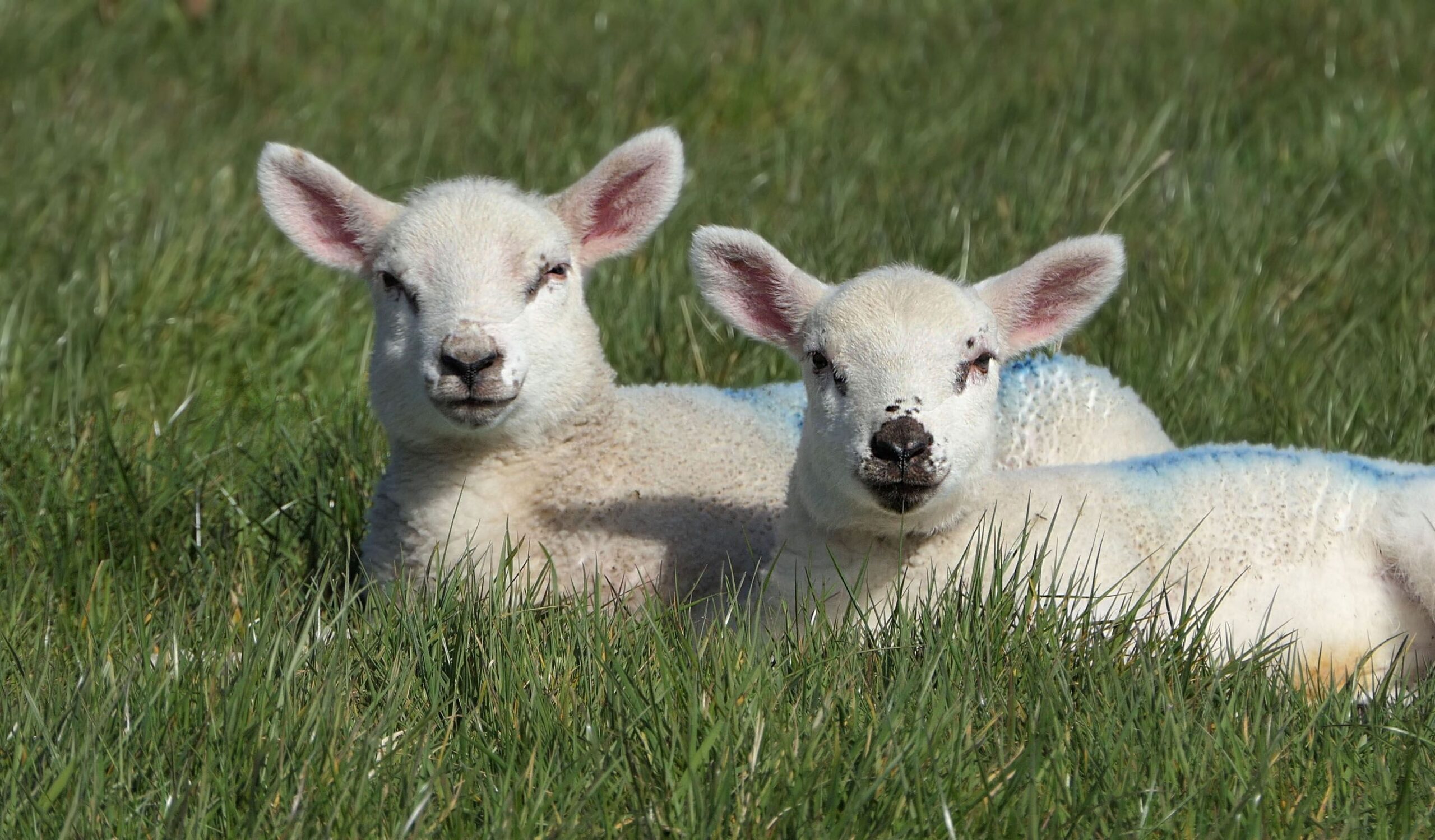
When Does Lambing Season Start? A UK Guide to Planning Ahead
When does lambing season start? The answer is set by the day you put the ram out, not by the calendar. At Hoof Shop, we help farmers and smallholders get ready before the first ewe lambs. This guide explains how to work out your lambing dates, what changes between lowland and hill flocks, and which supplies to order well ahead of time.
When does lambing season start in the UK?
Most UK flocks lamb between February and April. Spring lambing suits the grass, the weather and the market.
That said, lambing runs across a much wider window than many people expect. Some flocks lamb in December. Some hill flocks do not start until late April or May.
Sheep are seasonal breeders. Ewes come into season as the days get shorter in autumn. Rams usually go out between September and November, and the lambs follow about five months later.
So the answer is simple. Your lambing season starts roughly five months after your rams joined the ewes.
Work back from tupping
A ewe carries her lambs for about 147 days on average. The normal range runs from about 142 to 152 days.
Count 147 days forward from the day the ram went in. That gives you a target date. Then mark the five days either side, because few ewes lamb exactly on cue.
A few points shift the date slightly:
- Ewes carrying twins or triplets often lamb a little early.
- Ewe lambs and shearlings can differ from mature ewes.
- Breed makes a small difference.
Use a raddle harness or crayon on the ram. The marking dates tell you which ewes were served first, so you know who to watch.
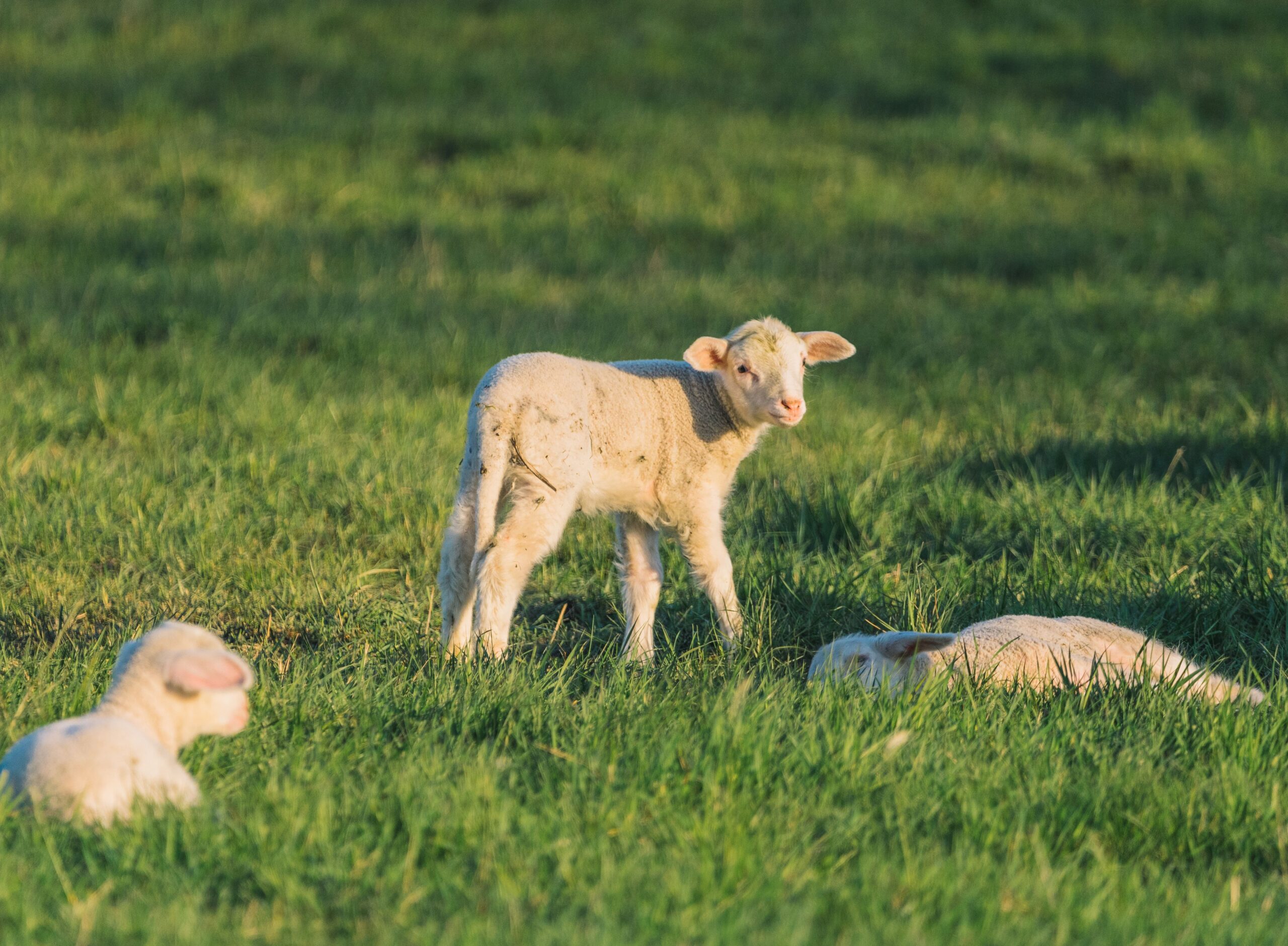
Early, main and late lambing flocks
Farmers pick a lambing date to suit their land, their housing and their buyer.
Early lambing flocks lamb indoors from late December to January. These lambs are finished for the spring trade. The system needs housing, bedding and a lot of feed.
Main lowland flocks lamb from February to early April. Most ewes lamb inside, then go out to grass with their lambs.
Hill and upland flocks lamb from April onwards. They wait for grass growth and warmer weather, and most lamb outdoors.
In Northern Ireland, spring lambing is the norm on lowland farms. Flocks on higher ground usually start later.
A simple lambing countdown
Work backwards from your first due date and the jobs fall into place.
- Five months before: rams go out. Record the date and raddle marks.
- Ten to twelve weeks before: book the scanner. Scanning works best about 80 to 100 days after the rams come out.
- Six to eight weeks before: split ewes into groups by litter size and body condition. Order your lambing kit now.
- Four to six weeks before: talk to your vet about vaccination and feeding. Ask about blood testing if you are unsure of ewe nutrition.
- Two to three weeks before: clean, disinfect and bed the lambing shed. Set up pens, lamps and water.
- One week before: lay out your kit where you can reach it at three in the morning.
AHDB publishes free guidance on lamb survival and ewe management, including its improving lamb survival manual. It is worth reading before your first ewe lambs.
Lambing supplies UK farmers order early
Stock runs short in February and March every year. Ordering lambing supplies in the UK in January leaves you fighting for the same items as everyone else.
Order in November or December instead. A basic kit usually covers:
- Navel dressing and iodine
- Lambing ropes, snares and lubricant
- Long-arm gloves
- Colostrum and a feeding tube or bottle
- Stomach tubes and syringes
- Marker sprays and numbering aids
- Heat lamps and drying towels
- Bucket, disinfectant and a bin for waste
Our lambing treatments range covers the products you reach for most in the shed. Buy two of anything you would hate to run out of at midnight.
Keep the kit in one box, cleaned and restocked after each season. Check expiry dates on anything medicinal in the autumn, not the night you need it.
Signs that lambing is close
Watch the ewes as your due dates approach. The flock tells you more than the calendar does.
In the final days, the udder fills and firms up. The ewe looks hollow in front of her hip bones as the lambs move back.
In the last hours, she leaves the rest of the group and finds a quiet corner. She may paw at the bedding, lie down, get up and lie down again.
Give her time and space once she starts. Most ewes lamb without help. Step in if she strains hard for a long spell with nothing showing, or if only a head or one leg appears.
Know your own limit and phone the vet early rather than late.
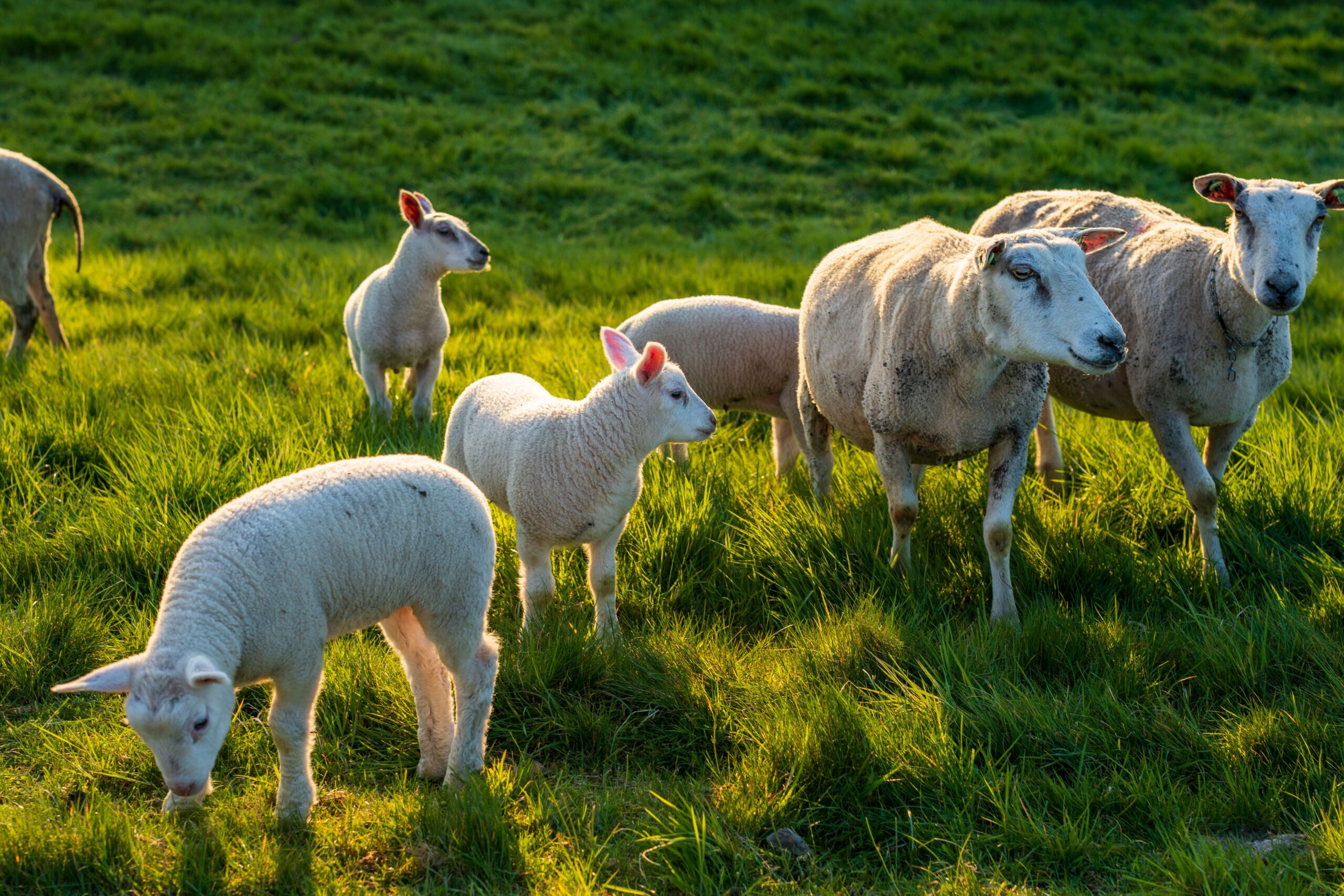
Getting the shed ready
Clean housing does more for lamb survival than any product on the shelf.
Muck out early and let the shed dry. Disinfect pens and let air move through the building. Build enough individual pens for the busiest night, then add a couple more.
Check your lighting, your water supply and your power sockets. Fix the gate that sticks before lambing starts, not during it.
Colostrum feeding in the first hours matters most of all. Have a plan for lambs that cannot suck, and keep a spare supply in the freezer or cupboard.
Talk to your vet in advance about your flock’s history. They know the diseases on your farm and can tell you what to hold in stock.
Plan your order with Hoof Shop
We are a family-run business in Banbridge, County Down, supplying animal health and hoof care products since 2017. We send orders across Northern Ireland, Ireland, Great Britain and further afield.
Our full sheep range sits alongside our lambing products, so you can add foot care, clippers and handling kit to the same order.
Not sure what to put on your list this year? Get in touch and tell us your flock size and lambing dates. We will help you build an order that arrives before the first ewe does.